For generations, space exploration was driven almost exclusively by national governments. The early Space Race produced historic milestones that changed humanity forever, from the first satellite to the first human footsteps on the Moon. Those achievements inspired millions and demonstrated what was possible through science, engineering, and determination.
Today, we are witnessing something even more remarkable.
Space is no longer the domain of a handful of government agencies. Commercial innovation, international collaboration, reusable rockets, advanced robotics, artificial intelligence, and rapidly improving satellite technology have transformed the industry into one of the fastest-moving sectors in the world.
We’re living through the beginning of a new space age. That’s why learning where we are today and where we are heading is an important skill to have.
Looking Back
Only a few decades ago, launching a spacecraft required years of preparation and enormous financial investment. Rockets were used once and discarded, satellites were relatively expensive, and access to space was limited.
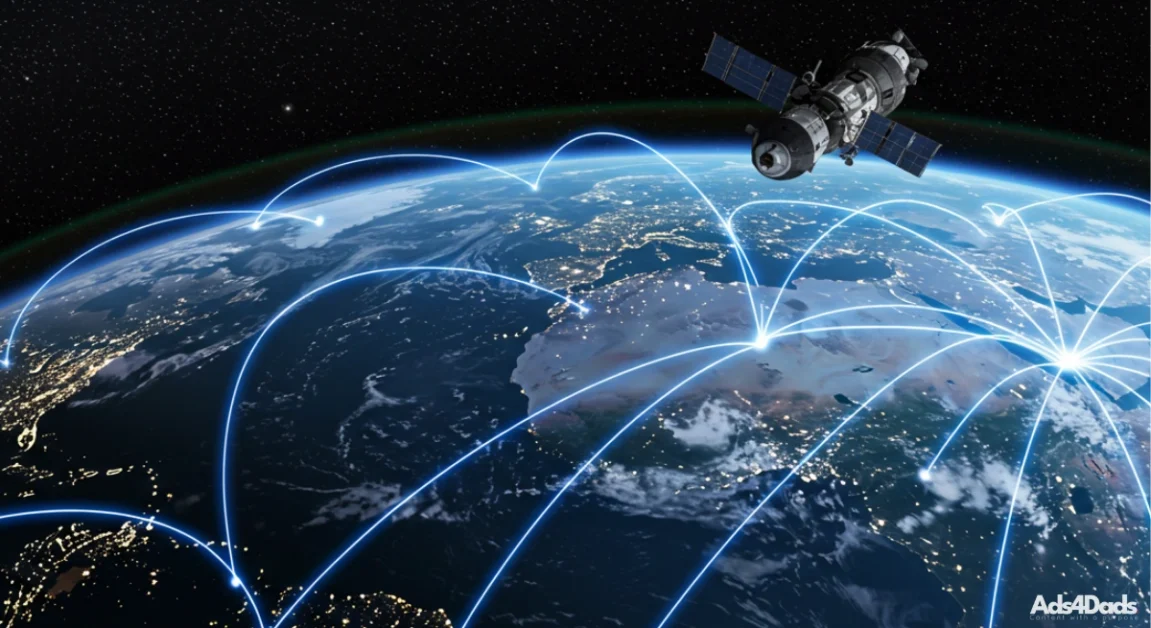
Today, reusable launch vehicles have dramatically reduced launch costs, making space more accessible than ever before. Small satellites are connecting remote communities, monitoring Earth’s climate, improving agriculture, enabling disaster response, and expanding global communications.
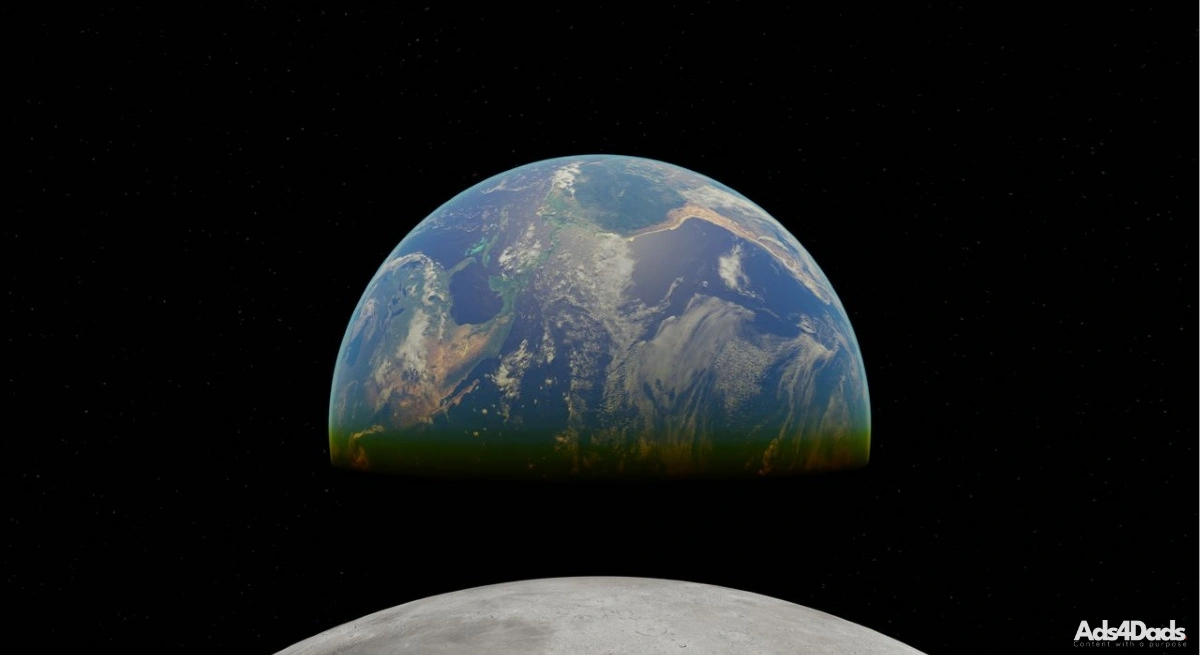
Private companies are developing lunar landers, orbital stations, and spacecraft capable of carrying both cargo and people farther into our solar system.
The pace of innovation has accelerated beyond what many imagined possible.
Where We’re Headed
The next twenty years may prove even more transformative than the last fifty.
Several exciting developments are already underway:
- Permanent human operations around the Moon
- Lunar resource utilization and surface infrastructure
- Commercial space stations in low Earth orbit
- Mars technology demonstrations and future crewed missions
- Rapid growth of satellite constellations
- Space manufacturing in microgravity
- Autonomous spacecraft powered by artificial intelligence
- New propulsion technologies for deep-space exploration
As launch costs continue to decline, opportunities for scientific research, commercial investment, and international partnerships will continue to expand.
The question is no longer whether humanity will become a spacefaring civilization.
The question is how quickly we’ll get there.
Why Staying Informed Matters
The challenge is that the space industry moves incredibly fast.
New launch vehicles, scientific discoveries, policy decisions, commercial partnerships, and mission updates happen almost every week. Following multiple agencies, companies, and technical publications can quickly become overwhelming.
That’s why finding a reliable source of analysis is invaluable.
One resource I consistently recommend is the Main Engine Cut Off podcast.
Rather than simply reporting headlines, the show provides thoughtful analysis and context that helps listeners understand why events matter. Whether the discussion focuses on launch vehicles, planetary science, government policy, commercial spaceflight, or emerging technologies, the conversations are consistently well researched and approachable for enthusiasts and professionals alike.
If you’re serious about understanding the direction of the modern space industry, I recommend downloading the NASA App.
FAQ’s About Space Travel
The New Space Age refers to the current era of space exploration, where government agencies and private companies are working together to advance space technology. Innovations such as reusable rockets, commercial space stations, satellite constellations, and planned lunar missions are making space more accessible than ever before.
Space exploration drives technological innovation, expands scientific knowledge, improves global communications, enhances weather forecasting, supports national security, and inspires future generations of scientists and engineers. Many technologies we use every day have roots in space research and development.
The industry has experienced rapid growth thanks to reusable launch vehicles, lower launch costs, increased private investment, and international collaboration. Commercial companies now play a significant role in launching satellites, transporting cargo, developing lunar landers, and preparing for future missions beyond Earth.
The coming decades are expected to include permanent human operations around the Moon, commercial space stations, advances in deep-space propulsion, increased satellite capabilities, in-space manufacturing, and continued progress toward crewed missions to Mars.